.png)
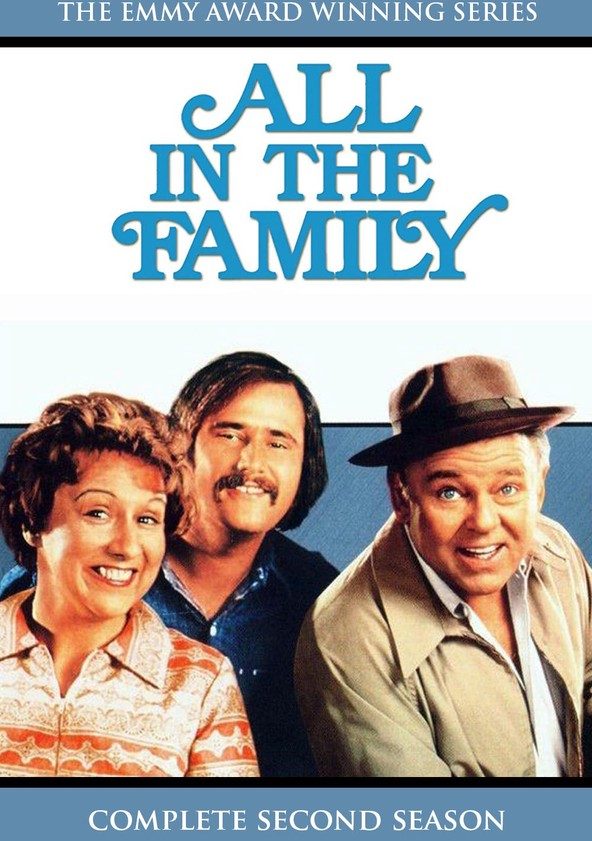
All In The Family Shop: Behind the Scenes of TV Series
Step onto the bustling lot of the famous set and you’ll hear the buzz of crew members, the clatter of props, and the laughter of actors replaying iconic moments. This behind‑the‑scenes look at All In The Family Shop uncovers the hidden magic that turned a simple TV storefront into a cultural landmark. From gritty set construction to the meticulous art direction that captured the era’s vibe, we’ll explore how this legendary shop became a character in its own right.
All In The Family Shop: Set Construction and Design
Building the shop started with a detailed blueprint inspired by 1970s New York storefronts. The production designer scoured vintage photographs to capture authentic signage, weathered brickwork, and the distinctive awning that viewers instantly recognize. Every surface was painstakingly layered with paint, faux wood panels, and distressed glass to evoke the lived‑in feel of an actual family-owned business.
Special attention went to the interior layout. The aisles were designed to accommodate camera rigs while still feeling cramped enough to convey the shop’s modest size. Shelves were stocked with period‑appropriate merchandise—old candy boxes, newspaper stacks, and hefty cash registers—all sourced from antique dealers or meticulously crafted replicas.
Lighting the Atmosphere
The lighting crew faced the challenge of balancing realism with the needs of television production. Warm, amber tones were chosen to mimic the glow of street lamps filtering through the shop’s front windows at dusk. Practical lights—like the flickering neon sign—were integrated into the set, giving actors natural sources to react to during performances.
To maintain visual continuity across episodes, the lighting team built a detailed lighting chart. This ensured that the shop’s ambiance remained consistent whether a scene was filmed during the bright morning rush or the quiet after‑hours moments that often held the show’s most poignant dialogues.
Costumes, Props, and the Personal Touch
Costume designers collaborated closely with set decorators to ensure characters’ wardrobes complemented the shop’s aesthetic. The lead’s plaid shirts and worn denim echoed the working‑class vibe of the neighborhood, while the shopkeeper’s aprons and name tag added authenticity. Each prop—from the dusty cash register to the chipped coffee mug—was chosen to reinforce the narrative of a family-run enterprise.
One memorable prop, a battered wooden ladder, became a silent recurring element. It appeared in several episodes, serving as a backdrop for both comedic pratfalls and heartfelt exchanges. Its presence underscored the shop’s role as a community hub where everyday life unfolded.
Audience Impact and Legacy
All In The Family Shop resonated with viewers because it mirrored their own experiences of local businesses that served as gathering places. The realistic set design allowed audiences to feel as though they were stepping into a familiar community corner, fostering a deeper emotional connection to the storylines.
Decades later, fans still recreate the shop’s layout for fan conventions and tribute videos. Its iconic signage has been reproduced on merchandise, and the set’s photographs are often featured in retrospectives celebrating television history. The enduring appeal highlights how thoughtful production design can turn a simple set into a lasting cultural symbol.
From the meticulous set construction to the nuanced lighting and carefully chosen props, every element of All In The Family Shop was crafted to transport viewers into a vivid, relatable world. This behind‑the‑scenes glimpse reveals the dedication and creativity that made the shop more than just a backdrop—it became an essential character that continues to captivate audiences, proving that authenticity and attention to detail are key ingredients in timeless storytelling.