.png)
American Beauty Shop: Secrets of the Iconic Film Revealed
When Sam Mendes’ groundbreaking drama first hit screens, audiences were entranced by its haunting beauty and razor‑sharp commentary on suburban life. Beneath the polished façade lies a treasure trove of cinematic tricks, narrative choices, and hidden messages that still spark debate today. In this deep dive, we peel back the layers to uncover how the film masterfully blends visual poetry with unsettling truth, and why its lessons remain relevant for both creators and viewers.
The Visual Language Behind American Beauty Shop
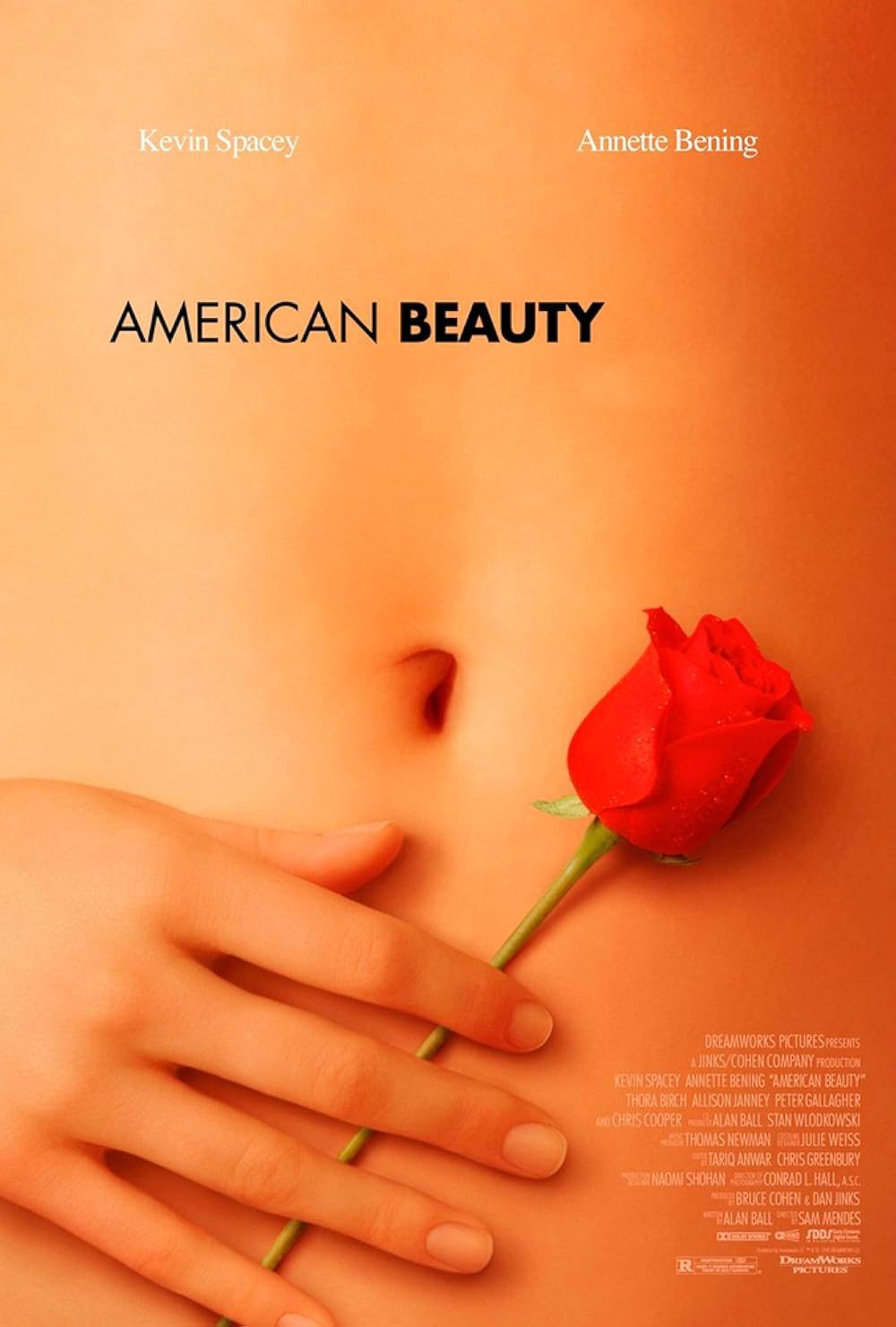
From the opening shot of a rose petal floating in slow motion to the recurring motif of red roses, color becomes a silent narrator. Mendes deliberately saturated key scenes with reds to signal desire, danger, and the decay of idealized perfection. The camera often lingers on ordinary objects—a plastic bag dancing in the wind, a pristine suburban lawn—to transform the mundane into a symbol of suppressed longing.
Composition also plays a crucial role. Each frame is meticulously balanced, with characters positioned against stark backdrops that highlight their emotional isolation. The iconic shot of the suburban neighbor’s pristine house, mirrored in a watery reflection, amplifies the theme of duality—what’s shown versus what’s hidden beneath the surface. These visual choices form a language that speaks louder than dialogue.
Character Arcs and Hidden Symbolism
At the heart of the story, the protagonist’s mid‑life crisis becomes a conduit for exploring broader societal expectations. His obsession with the teenage neighbor’s pink‑blooming rose symbolizes a yearning for youth, freedom, and authenticity—an urge to break free from the “American Dream” that feels increasingly artificial. Meanwhile, the family’s quiet despondency is reflected in muted tones and static camera work, suggesting stagnation.
Supporting characters contribute subtle layers of meaning. The rebellious teenager, for instance, repeatedly changes her appearance, hinting at the fluidity of identity in a world obsessed with conformity. The sister’s obsessive hair‑cutting scene, captured with tight close‑ups, represents her desire to control an otherwise chaotic existence. These nuanced details invite viewers to decode personal narratives woven into the larger tapestry.
Production Secrets: Set Design and Sound
The production team transformed ordinary suburban neighborhoods into a character in its own right. Every driveway, mailbox, and garden was deliberately chosen to reinforce the theme of uniformity. In several scenes, background props—such as a meticulously arranged lawn gnome or a perfectly aligned row of hedges—were placed to underscore the pressure of aesthetic perfection.
Sound design also amplifies the film’s emotional undercurrents. The faint hum of a distant lawn mower, the soft rustle of wind through leaves, and the occasional echo of an old jukebox track all serve as auditory mirrors of internal turmoil. By blending diegetic sounds with a carefully curated score, the filmmakers create an immersive atmosphere that keeps viewers on edge, even during moments of apparent calm.
Legacy and Cultural Impact
Decades after its release, the film continues to inspire discussions about authenticity, desire, and the cost of maintaining appearances. Its daring blend of dark humor and raw vulnerability paved the way for a new wave of independent cinema that tackles uncomfortable truths without sacrificing artistic flair. Critics and scholars alike cite its innovative storytelling as a benchmark for modern filmmaking.
Moreover, the movie’s influence extends beyond the screen. Fashion designers have echoed its iconic red roses in runway collections, while psychologists reference its themes when exploring the effects of societal pressure on mental health. The enduring relevance of this masterpiece demonstrates how a single work can spark cultural conversations that resonate across generations.
Conclusion: What American Beauty Shop Teaches Us Today
At its core, the film is a mirror held up to a society obsessed with perfection, reminding us that the most striking beauty often hides in the cracks. By dissecting its visual cues, character symbolism, and production choices, we uncover a roadmap for creating stories that challenge convention while captivating audiences. As creators and viewers, embracing the film’s lessons encourages us to seek authenticity, question complacent norms, and appreciate the raw, unfiltered moments that truly define the human experience.