.png)
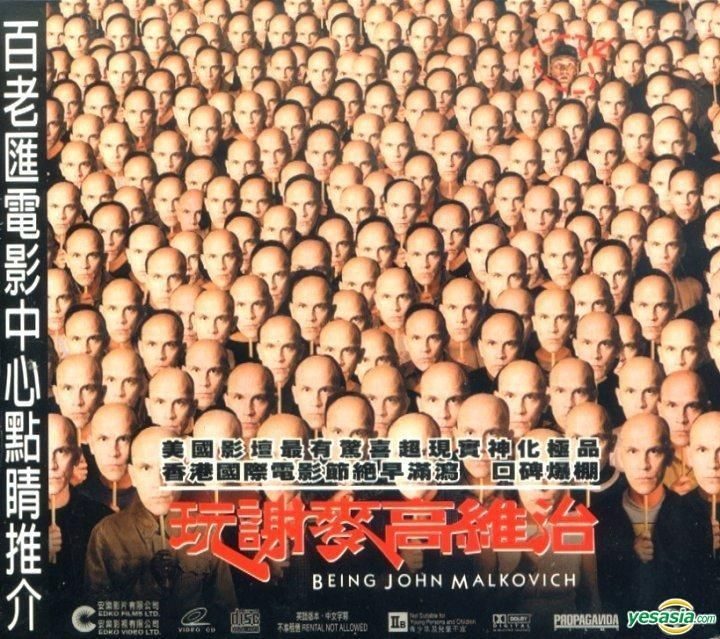
Being John Malkovich Shop: Inside the Film’s Bizarre World
Step inside the uncanny realm of the Being John Malkovich Shop and find yourself in a world where reality bends, doors lead to minds, and a simple office becomes a portal to astonishment. This 1999 cult classic invites viewers to explore a surreal landscape that feels both familiar and utterly bizarre, blending comedy, philosophy, and pure imagination into a single unforgettable experience.
Opening the Portal: From Buffets to Mind‑Travel
The story begins in a drab New York office building, where a disgruntled puppeteer discovers a hidden door behind a filing cabinet. Stumbling through the narrow passage, he lands inside the mind of Academy‑award‑winning actor John Malkovich for precisely 15 minutes. This extraordinary premise turns an ordinary workplace into a gateway to wonder, setting the tone for the entire film.
From that moment on, the concept of stepping into someone else's consciousness becomes the central engine of the plot. The portal is both a comedy device and a profound meditation on identity, free will, and the yearning to escape the confines of one's own life. It invites audiences to imagine what it would be like to inhabit another person's thoughts, even if only for a fleeting moment.
Inside the Being John Malkovich Shop: The Surreal Retail Space
One of the most striking visual moments occurs when the protagonist transforms the portal into a commercial venture—a literal Being John Malkovich Shop. He sells tickets to curious tourists, turning the act of mind‑travel into a quirky business model. The shop’s cramped, cluttered interior mirrors the chaotic nature of the film itself, blending mundane office furniture with the surreal allure of inhabiting a celebrity.
Customers line up, paying to experience the world through Malkovich’s eyes, while the shop owner grapples with moral dilemmas and the intoxicating power of control. This scene underscores the film’s critique of consumer culture, suggesting that even the most intimate experiences can be commodified and sold in a storefront.
Characters on a Twisted Journey
Beyond the shop, a colorful cast of characters adds depth to the narrative. A timid puppeteer, a scheming psychiatrist, and a rebellious lover each use the portal for their own ambitions—whether to achieve artistic greatness, exact revenge, or find love. Their intersecting motivations create a tangled web of desire that pushes the boundaries of what is morally acceptable.
As each character steps into Malkovich’s body, the film explores how identity can be both fluid and fragile. Their transformations reveal hidden facets of personality, exposing how the desire to become someone else often masks deeper insecurities. The interplay of these arcs keeps viewers engaged, while the witty dialogue ensures the story never loses its comedic edge.
Legacy, Influence, and the Enduring Appeal
More than two decades after its debut, the Being John Malkovich Shop scene remains a cultural touchstone. Filmmakers, writers, and artists frequently cite the movie’s inventive premise as an inspiration for exploring consciousness and self‑perception. Its blend of absurdity and existential inquiry paved the way for later works that challenge conventional storytelling.
The film’s distinct visual style—marked by unusual camera angles, stark set designs, and a palette that oscillates between dreary and vibrant—continues to influence modern cinema. Meanwhile, its soundtrack, quirky humor, and thought‑provoking themes keep new audiences returning, eager to experience the strange charm of a shop where you can literally become someone else.
In the end, the Being John Malkovich Shop is more than just a quirky set piece; it serves as a mirror reflecting our own cravings for escape, transformation, and connection. By stepping through that narrow doorway, viewers are reminded that while the world may be bizarre, the search for meaning remains a shared human adventure.