.png)
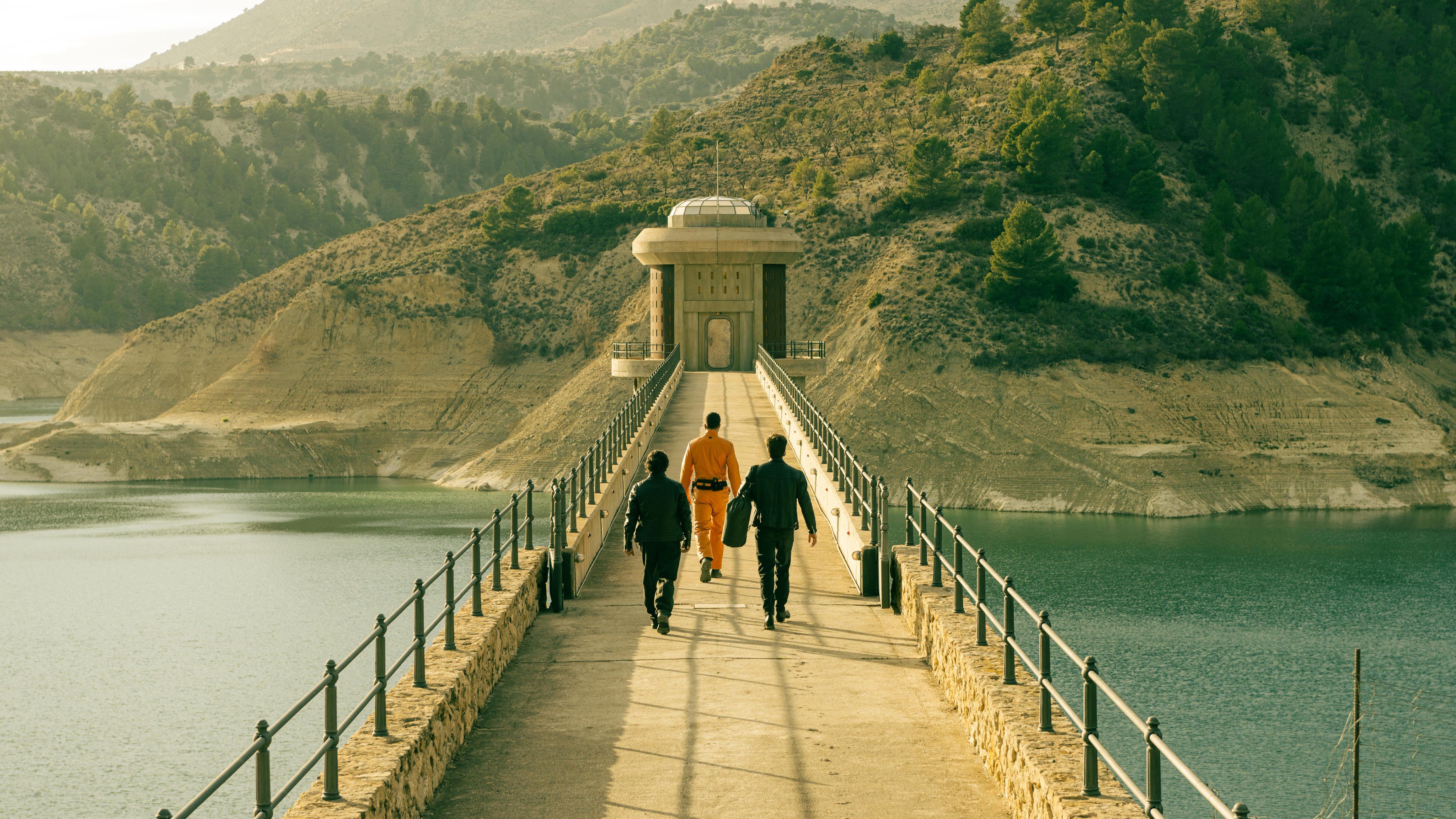
Billionaires' Bunker Store: Inside the TV Series Sensation
When the first trailer for the hit series “Billionaires' Bunker Store” hit the internet, viewers were instantly drawn into a world of secret vaults, luxurious survival kits, and the high‑stakes drama of the ultra‑wealthy. The show promises more than glitzy interiors; it offers a glimpse into the mindset of those who can afford to plan for any apocalypse. In this blog we’ll pull back the curtain on the series sensation, uncovering why it resonates with audiences and how it redefines reality TV.
Inside the Billionaires' Bunker Store Phenomenon
The series is built around a single, massive underground facility that houses everything a billionaire might need to survive a global catastrophe. From climate‑controlled wine cellars to reinforced safe rooms, each bunker is a showcase of excess and engineering marvels. The producers use high‑definition drone shots to emphasize the scale, making viewers feel as though they’re touring an exclusive, hidden city.
What sets the show apart is its blend of documentary‑style interviews and scripted drama. Real entrepreneurs and investors share their personal motivations for building these shelters, while actors dramatize the tension that arises when wealth meets survival. This hybrid format creates a compelling narrative that feels both authentic and thrilling.
The Concept Behind the Show
Creator Maya Lin envisioned the series as a commentary on modern anxieties. In a world plagued by climate change, pandemics, and economic instability, the idea of a prepared elite strikes a chord. Each episode examines a different aspect of bunker life—security systems, sustainable food sources, and even entertainment options—highlighting the lengths to which the ultra‑rich will go to safeguard their legacy.
The show also explores the psychology of fear. Guests often reveal their deepest worries: losing family, facing political upheaval, or simply being unprepared for the unknown. By giving a platform to these personal stories, the series humanizes a demographic often portrayed as detached, inviting viewers to question their own preparedness.
What Makes the Bunker Store Unique
Beyond its lavish aesthetics, the bunker store is a hub for innovation. Engineers develop cutting‑edge water filtration, renewable energy generators, and AI‑managed climate controls. These technologies, while expensive, demonstrate real possibilities for future-proof living. The series highlights how some prototypes are later adapted for broader use, bridging the gap between exclusivity and public benefit.
Another distinctive element is the “trade‑in” market within the bunker itself. Wealthy participants barter artworks, rare collectibles, and even private jets for essential supplies. This micro‑economy creates an intriguing narrative of value exchange, where traditional currency sometimes takes a back seat to scarcity and utility.
The Cast and Their Roles
The on‑screen talent includes a mix of real‑world billionaires, celebrity investors, and professional actors portraying fictional counterparts. Notable figures like tech mogul Aria Patel discuss her motivations for installing a deep‑sea water reclamation system, while actor Leo Grant plays a charismatic but enigmatic bunker manager. Their chemistry fuels the show’s dramatic arcs, making each episode feel like a high‑stakes negotiation.
Supporting characters—security experts, nutritionists, and underground architects—add depth and credibility. Their expertise helps demystify complex systems, allowing viewers to grasp the practicalities of living underground without being overwhelmed by jargon.
Cultural Impact and Fan Reception
Since its debut, the series has sparked a surge in online discussions about survivalism and wealth disparity. Social media platforms buzz with memes, fan theories, and even DIY bunker tutorials inspired by the show. Critics praise its production value, while some lament the glorification of extreme wealth.
Nevertheless, the series has undeniably influenced consumer trends. Luxury brands have launched limited‑edition “bunker‑ready” products, and several real‑estate firms now market underground condos as viable investments. The buzz has also led to increased interest in sustainable living, as viewers seek to emulate the show’s emphasis on self‑sufficiency.
In conclusion, “Billionaires' Bunker Store” offers more than eye‑candy; it invites a conversation about preparedness, privilege, and the future of luxury living. Whether you’re fascinated by the high‑tech amenities or intrigued by the human stories behind the vaults, the series provides a captivating window into a world few will ever experience. As the show continues to evolve, it will be interesting to see how it shapes both entertainment and the broader discourse on survival in an uncertain era.