.png)
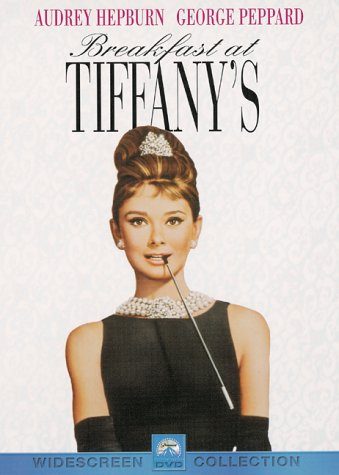
Breakfast At Tiffany's Shop: Secrets of the Film’s Iconic Set
Step onto the polished marble floor of the famed establishment, and you’ll instantly recognize why the scene has become a cinematic touchstone. From Audrey Harper’s iconic black dress to the glint of early‑morning sunlight on gleaming jewelry, the magic of Breakfast At Tiffany's Shop goes far beyond a simple retail backdrop. In this post we’ll peel back the curtain and reveal the hidden details, design tricks, and behind‑the‑scenes anecdotes that made the set unforgettable.
Design Secrets That Shaped the Iconic Look
The production designer studied the real New York store meticulously, photographing every window display and fixture. Yet, to create a set that would translate beautifully on film, they amplified certain elements: the marble tiles were sourced from Italy for a richer veining pattern, and the chandeliers were custom‑made to catch the camera’s light at just the right angle. These choices gave the set a timeless elegance that still feels fresh today.
Every piece of furniture was intentionally chosen for its period authenticity. The mahogany coffee tables, for instance, were genuine pieces from the 1930s, while the plush velvet chairs were upholstered with a deep emerald fabric that echoed the film’s lush color palette. By blending real‑world accuracy with artistic exaggeration, the team ensured the audience would feel both grounded and enchanted.
The Role of Lighting in Creating Mood
Lighting was a silent star on set, shaping the mood of each moment in Breakfast At Tiffany's Shop. Cinematographers used soft, diffused daylight to bathe the storefront in a warm glow, mimicking the early‑morning sun that sweeps across the city. In contrast, the interior was lit with a combination of warm tungsten fixtures and subtle spotlights, highlighting the sparkle of the diamonds and the sheen of the polished counters.
One clever trick involved placing reflective panels behind the glass windows. As the sun rose, these panels bounced additional light onto the jewelry, making the gems glitter with an almost magical intensity. This technique not only enhanced visual appeal but also emphasized the protagonist’s longing for something bright and unattainable.
Costume and Set Synergy: A Visual Dialogue
Audrey’s black Givenchy dress wasn’t just a fashion statement; it was a visual counterpoint to the luminous environment of Breakfast At Tiffany's Shop. The stark contrast between her silhouette and the sparkling backdrop amplified the narrative tension, turning a simple shop visit into a moment of profound yearning.
Moreover, the set’s color scheme—soft ivory, muted grays, and glints of gold—was deliberately chosen to complement the costumes of supporting characters. The shop clerks wore crisp white shirts and muted ties, allowing the focus to remain on the jewelry and the heroine’s expressive gestures. This harmonious blend of wardrobe and set design ensured every frame felt cohesive and purposeful.
Behind‑the‑Scenes Stories That Add Flavor
Legend has it that the production team recruited a real jeweler to advise on the placement of each piece, guaranteeing authenticity. During one shoot, a priceless necklace was accidentally brushed against a set prop, causing a tiny scratch. The jeweler swiftly repaired it on set, turning a potential disaster into a tale of teamwork and quick thinking.
Another anecdote involves the iconic opening scene: the script called for a crisp crumpled paper bag of pastries. However, the prop department ran out of croissants, so they improvised with freshly baked doughnuts. The spontaneous change added a subtle, unexpected texture to the frame, which many fans later praised for its quirky authenticity.
Why the Set Still Inspires Audiences Today
Beyond its visual allure, the Breakfast At Tiffany's Shop set encapsulates a timeless yearning for elegance, romance, and aspiration. Modern visitors to the actual store often pause at the spot where the famous scene was filmed, feeling a connection to the cinematic history that unfolded there.
Today, set designers and filmmakers continue to study this iconic location for lessons in storytelling through space. Its blend of meticulous detail, strategic lighting, and purposeful costume coordination demonstrates how a single setting can become a character in its own right—one that invites audiences to return again and again, dreaming of their own moment beneath the dazzling sparkle.