.png)
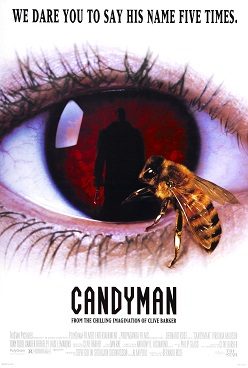
Candyman Shop Secrets: Inside the Film’s Iconic Horror Set
Step onto the dimly lit corridors of the legendary horror set and feel the chill that once sent shivers down audiences worldwide. The film’s iconic backdrop isn’t just a backdrop; it’s a living, breathing character that holds secrets as dark as its mythic antagonist. From the eerie whispers in the hallway to the meticulously crafted details that fans adore, the Candyman Shop set reveals a trove of storytelling tricks, prop marvels, and cinematic sorcery that continue to captivate new generations of horror enthusiasts.
Unveiling the Candyman Shop Set Design
The original set was built on a modest budget, yet its designers managed to create an atmosphere that feels both timeless and otherworldly. Every cobblestone, cracked window, and flickering streetlamp was chosen to amplify the urban legend’s haunting presence. Set decorators sourced authentic 1990s storefronts, integrating rusted metal signs and graffiti that reflected the gritty neighborhoods where the legend thrives.
One of the most striking features was the recreated “Candyman Shop” storefront, a narrow space that served as a focal point for many pivotal scenes. The shop’s interior was lined with shelves of cursed beads, vintage candy jars, and a mirror that reflected not just the characters but the audience’s deepest fears. The meticulous attention to detail allowed filmmakers to embed clues within the environment, encouraging viewers to search for hidden meanings long after the credits rolled.
Lighting played a crucial role as well. Practical lamps were strategically placed to cast long shadows, while hidden LEDs provided that subtle, unsettling glow that makes the set feel alive. The combination of natural and artificial lighting created a seamless transition between day and night, ensuring that every frame carried the same oppressive tension.
Prop Secrets: The Legend Lives in the Details
Every prop on the set was selected with purpose, turning ordinary objects into potent symbols of dread. The infamous hook, for example, was forged from a real steel rod, polished to a mirror finish, and deliberately left in the foreground to insinuate imminent danger. The film’s crew even commissioned a special version of the honey‑bee‑infused candy that the Candyman uses to lure his victims, complete with a realistic texture that could withstand close‑up shots.
Among the most talked‑about items is the “hooked hand” that hangs ominously above the shop’s entrance. Designed by a veteran prop maker, it features hidden mechanisms that allow it to swing slightly when a character approaches, creating a subtle but unsettling motion that heightens suspense without overt special effects.
Even the seemingly benign items, like the paper flyers advertising new candy flavors, were printed with vintage inks and placed strategically to reinforce the film’s period authenticity. These nuanced choices contribute to the set’s immersive quality, making the Candyman Shop feel like a genuine slice of horror history rather than a constructed set.
Behind‑the‑Scenes Stories and Superstitions
Cast and crew members have long recounted eerie experiences while filming on the set. One assistant director swore she heard faint whispers echoing through the corridors late at night, despite the set being empty. Another crew member claimed that a stray cat entered the shop during a crucial scene, causing an unexpected yet perfect “glitch” that was later kept in the final cut.
Superstitions also took hold among the crew. Before shooting any scene involving the Candyman, team members would place a single piece of candy in a small bowl near the “Candyman Shop” doorway as an appeasement ritual. While this may sound whimsical, many believed it helped maintain a calm atmosphere and prevented mishaps during tense shoot days.
These folklore‑like practices have become part of the set’s legend, reinforcing the notion that the horror of the film extends beyond the screen and seeps into the very walls of the environment where it was created.
Legacy and Fan Impact: Why the Set Still Matters
Decades after its release, the Candyman Shop set continues to inspire fan recreations, virtual tours, and scholarly analysis. Visitors to the original filming location often leave tributes—handcrafted beads, sketches, and handwritten notes—outside the now‑repurposed storefront, paying homage to the terror that once unfolded within its walls.
Modern filmmakers studying the set’s design draw lessons on how to craft immersive environments on limited budgets. The set’s ability to convey narrative depth through visual cues alone serves as a masterclass in atmospheric storytelling, proving that true horror thrives on atmosphere, not just jump scares.
As fans eagerly anticipate new installments in the franchise, the original Candyman Shop remains a timeless beacon of cinematic craftsmanship. Its secrets, painstakingly woven into every brick and prop, remind us that the most enduring nightmares are those built on a foundation of thoughtful design and relentless imagination.
Exploring the Candyman Shop secrets offers more than a glimpse behind the curtain; it reveals how a meticulously crafted set can become a character in its own right, haunting viewers long after the final scene fades to black.