.png)
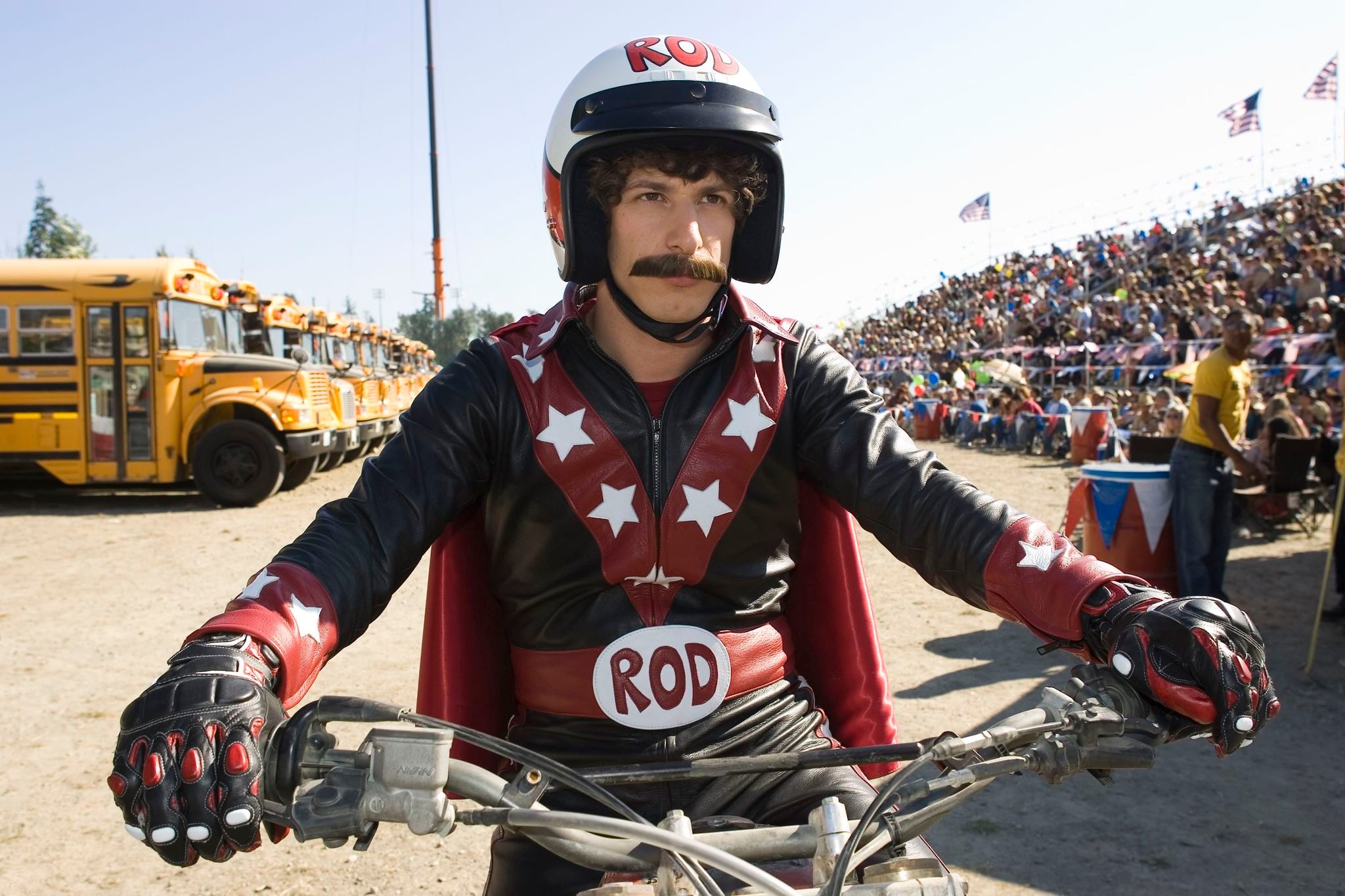
Hot Rod Shop Movie Secrets: Behind the Fast‑Lane Fun
Ever wondered what really goes on behind the roaring engines and cinematic glamour of a Hot Rod Shop movie? The answer is a blend of meticulous planning, inventive filmmaking tricks, and a dash of pure adrenaline. From the moment the director shouts “action,” a hidden world of set design, stunt coordination, and prop magic springs to life. In this post, we’ll peel back the curtain and reveal the secrets that make these fast‑lane adventures feel so authentic, while also showing why fans can’t get enough of the high‑octane fun.
Hot Rod Shop Movie Secrets: The Hidden Sets
The first thing most viewers notice is the gleaming chrome and polished bodies of custom cars. Yet, most of these beauties never actually leave the studio. Production designers build modular sets that mimic a real garage, complete with tool benches, diagnostic equipment, and even the faint smell of gasoline. By using interchangeable walls and lighting rigs, they can quickly switch from an intimate workshop scene to a sprawling race track without losing continuity.
To keep costs down, many prop cars are built on a chassis that can be dismantled and reassembled. This allows the crew to film close‑up shots of the interior while swapping out parts for safety. The result is a seamless illusion: the audience sees a fully functional Hot Rod Shop, but the crew knows exactly which sections are safe to crash.
Engineering the Stunts: Real vs. Reel
Stunt coordinators spend weeks rehearsing each high‑speed chase. They use a combination of real driving on closed courses and on‑set rigs that simulate motion. For dangerous jumps, a “zip line” system is rigged above the track, pulling the car through the air while a camera on a dolly captures the dramatic arc.
Special effects teams also add CGI enhancements in post‑production. A perfectly timed spark, a burst of flames, or a subtle dust cloud can turn a modest stunt into a blockbuster moment. The key is subtlety; the audience should feel the impact without noticing the digital layer.
Costume and Props: The Details That Make the Scene
The attire of a mechanic in a Hot Rod Shop movie is more than just clothing—it tells a story. Authentic jumpsuits, grease‑stained gloves, and custom patches immediately signal expertise and passion. Prop tools are often functional, allowing actors to actually tighten bolts or adjust carburetors, which adds a layer of realism.
Even the smallest items, like a weathered oil can or a handwritten logbook, are carefully placed to create a lived‑in environment. These details help viewers suspend disbelief and become immersed in the world of high‑performance engineering.
Why Fans Love the Fast‑Lane Fun
At its core, a Hot Rod Shop film offers an escape into a universe where speed, skill, and creativity collide. Audiences are drawn to the thrill of watching meticulously crafted machines roar to life, the drama of daring stunts, and the camaraderie of a crew working together under pressure.
Behind the scenes, the same dedication exists. Filmmakers treat the garage as a character, respecting its culture and history. When that passion translates on screen, it resonates with viewers, turning a simple car chase into a celebrated piece of pop culture. The secret? A perfect blend of authenticity, technical wizardry, and storytelling that keeps the fast‑lane fun alive.