.png)
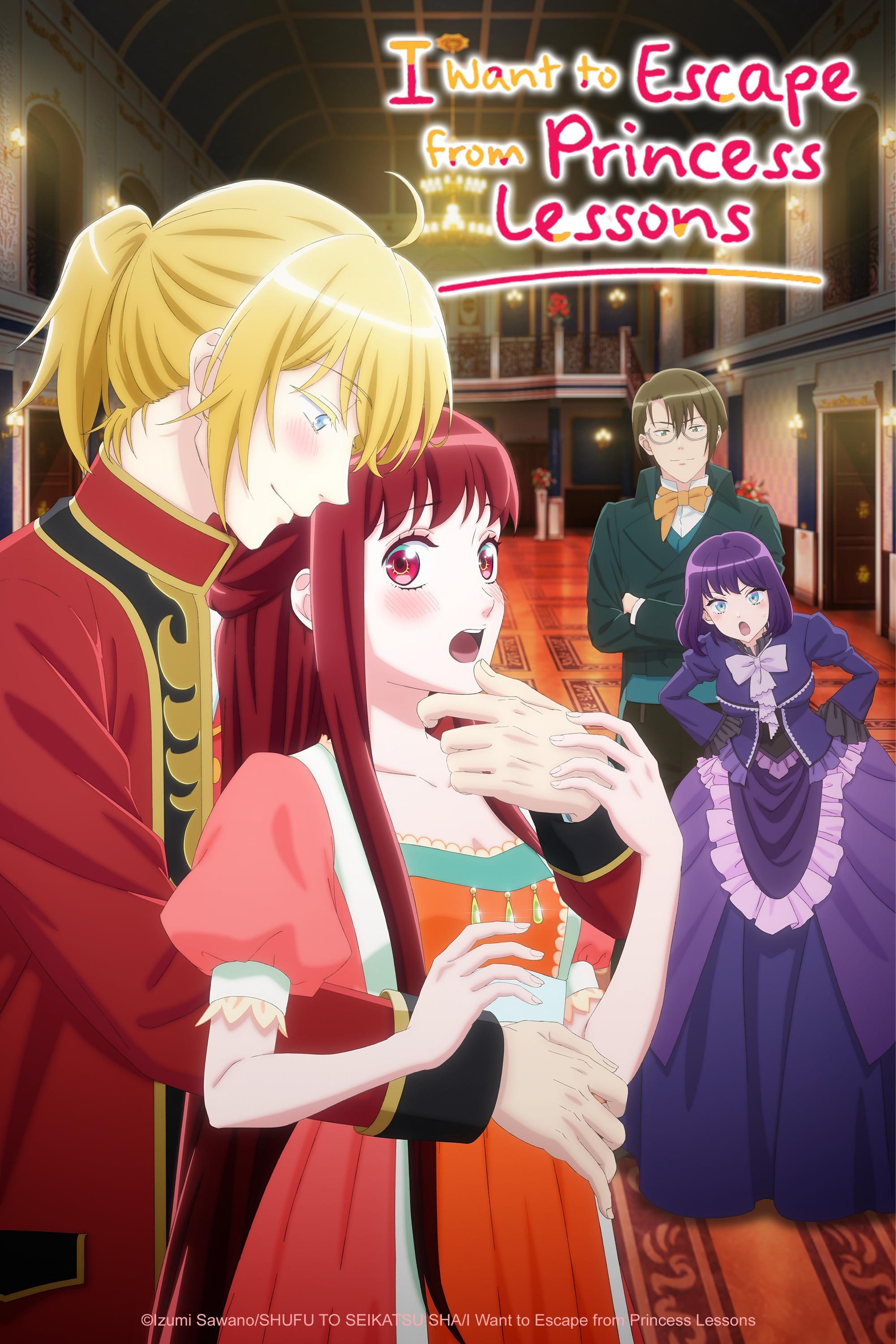
I Want To Escape From Princess Lessons Store: TV Twist
When the surreal world of Princess Lessons Store leapt off the screen and onto prime‑time television, fans everywhere wondered how a quirky indie game could translate into a full‑blown TV twist. The answer lies in the daring blend of humor, nostalgia, and unexpected narrative depth that keeps viewers glued to the story. If you’ve ever shouted, I Want To Escape From Princess Lessons Store, you’ll soon discover why the new television spin‑off is the talk of the town.
From Indie Game to Cult Phenomenon
The original Princess Lessons Store was a hidden gem that combined charming visuals with tongue‑in‑cheek storytelling. Players navigated a bizarre boutique where princesses sold lessons in etiquette, magic, and mischief, all while trying to find a way out of the ever‑expanding labyrinth.
Its appeal rested on two core ideas: the whimsical setting and the player’s constant quest to escape. The phrase I Want To Escape From Princess Lessons Store became a rallying cry for gamers who loved the challenge of solving puzzles while laughing at the absurdity.
The TV Twist: How the Story Got a New Dimension
When the series was green‑lit, creators faced a pivotal question: how to preserve the game’s quirky charm while adding the drama that TV audiences crave? The answer was a bold narrative twist that introduced a parallel universe where the boutique’s rules begin to bleed into reality.
In the televised version, the main character discovers that every lesson sold in the store creates a ripple in the real world, turning everyday life into a series of magical mishaps. This meta‑layer not only amplifies the comedy but also gives the audience a fresh perspective on why the protagonist keeps shouting that iconic line.
Gameplay Meets Narrative: What the Twist Means for Fans
One of the most exciting outcomes of the TV adaptation is how it reimagines player agency. Episodes are structured like levels, with each lesson representing a puzzle that the protagonist must solve to protect the real world from chaos.
Fans of the original game notice that the television series respects the core mechanics—collecting items, decoding riddles, and timing escapes—while weaving them into a broader storyline. This hybrid format encourages viewers to think like gamers, guessing the next clue before the episode’s climax.
Fan Reactions and Cultural Impact
Social media exploded when the first episode aired. Hashtags such as #PrincessLessonsTV and #EscapeFromStore trended worldwide, with fans posting memes that remix the classic game’s graphics with live‑action scenes.
Critics praised the show for its inventive storytelling, noting that the seamless blend of comedy and suspense gave the series a unique voice. Meanwhile, long‑time players appreciated the respectful nods to the original gameplay, feeling that their beloved phrase— I Want To Escape From Princess Lessons Store —was finally given a grand stage.
Looking Ahead: Future Episodes and Possible Expansions
With the success of the first season, the creators have hinted at expanding the universe further. Potential spin‑offs could explore the origins of the boutique, diving deeper into the mysterious figure who designed the lessons.
There’s also talk of interactive episodes where viewers can vote on puzzle solutions in real time, effectively turning the TV experience into a live game. If that happens, the line I Want To Escape From Princess Lessons Store will echo not just on screens but across living rooms, uniting gamers and TV lovers alike.