.png)
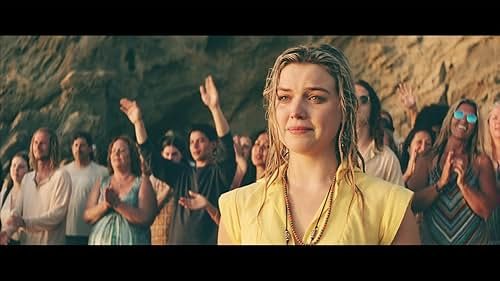
Jesus Revolution Shop: Behind the Scenes of the New Film
When the first trailer for the highly anticipated film about the 1970s counter‑culture wave hit the screens, audiences were instantly drawn into the vibrant mix of music, faith, and rebellion. Behind the glossy previews lies a fascinating story of passion, research, and love for a movement that changed lives. The journey from script to screen reveals not only cinematic challenges but also the unique role of the Jesus Revolution Shop, which helped bring authenticity and memorabilia to the production.
The Genesis of the Film
Creating a movie about a cultural phenomenon requires more than a solid script; it demands deep immersion into the era’s ethos. The writers spent months reading diaries, watching archival footage, and speaking with original participants of the Jesus movement. This dedication ensured the narrative stayed true to the raw energy and spiritual awakening that defined the period.
Early drafts focused on the clash between traditional church structures and the newly emerging worship styles. As the story evolved, the team realized that the heart of the film was a group of young believers who left their comfort zones, chasing a message of love and redemption.
To finance the project, the producers turned to a mix of independent investors and crowd‑funding campaigns, highlighting the film’s grassroots origins. This approach mirrored the movement’s own ethos of community support and shared purpose.
Casting and Character Development
Finding actors who could embody the spirit of the 1970s required more than typical auditions. The casting directors held workshops where performers lived together, rehearsed hymns from the era, and even participated in mock revival meetings. This immersion helped actors capture the genuine excitement and vulnerability of the characters.
One standout performer, a newcomer to the industry, spent weeks listening to original recordings from the Jesus Revolution Shop, studying the lyrical nuances and vocal styles that defined the era’s worship music. This deep dive allowed her to bring an authentic voice to her role, resonating with both longtime fans and new audiences.
Beyond performance, the actors collaborated with historians to ensure that their costumes, hairstyles, and mannerisms reflected the cultural trends of the time. The result is a cast that feels both relatable and historically accurate.
Set Design and Authenticity
The film’s production designers faced the challenge of recreating the iconic venues where the movement blossomed—rustic barns, open‑air concerts, and modest church basements. They traveled across the United States, photographing original locations that still bore the marks of those historic gatherings.
Every prop was carefully selected to enhance realism. Vintage guitars, period‑accurate microphones, and handwritten flyers were sourced from collectors and museums. The Jesus Revolution Shop played a pivotal role, supplying authentic merchandise, concert tickets, and even original T‑shirts that appeared on screen.
Lighting specialists also studied the warm, natural glow captured in archival footage, aiming to reproduce that comforting atmosphere on set. By blending modern technology with genuine artifacts, the film achieves a visual authenticity that transports viewers straight into the heart of the 1970s revival.
Marketing, Distribution, and the Role of Jesus Revolution Shop
With the film ready for release, the marketing team devised a strategy that honored the movement’s community‑first spirit. Social media campaigns featured behind‑the‑scenes interviews, vintage audio clips, and interactive Q&A sessions with the director.
A special partnership with the Jesus Revolution Shop allowed fans to purchase limited‑edition items inspired by the film—replicas of concert posters, vintage‑style vinyl records, and apparel bearing the iconic symbols of the era. These products not only generated buzz but also created a tangible connection between the audience and the story.
Screenings were hosted at churches and community centers across the country, echoing the grassroots approach that defined the original movement. Each event included panel discussions with historians, actors, and members of the original Jesus Revolution, fostering dialogue and deeper understanding.
Looking Ahead: Impact and Legacy
Beyond its entertainment value, the film aims to spark renewed interest in the principles that fueled the Jesus Revolution—community, love, and a fresh expression of faith. Viewers are encouraged to explore the historical context further, with resources and reading lists available through the film’s website and the Jesus Revolution Shop.
Critics have praised the movie for its balanced portrayal, noting that it neither romanticizes nor dismisses the challenges faced by the movement. Instead, it offers a nuanced look at how a group of passionate individuals reshaped worship and left a lasting imprint on modern Christianity.
As the credits roll, the hope is that audiences will carry forward the spirit of inquiry and openness that defined the era, remembering that true revolutions begin in the heart and spread outward through authentic connection.