.png)
La Haine Shop Secrets: What Makes the Film So Provocative?
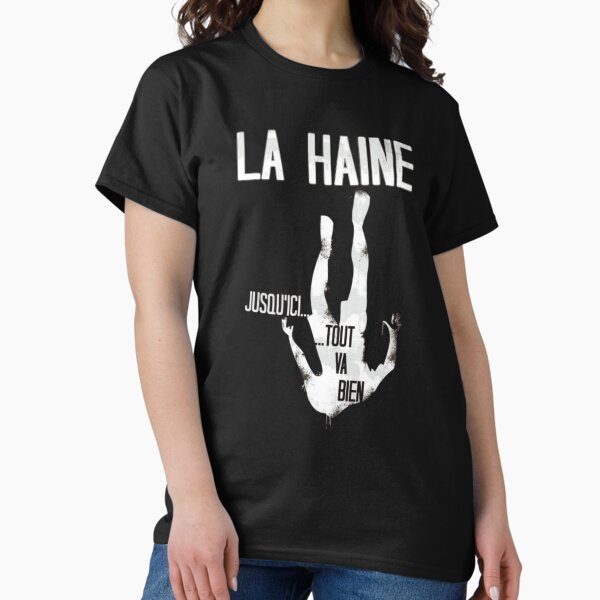
When you hear the name La Haine Shop, you might picture a gritty boutique hidden in the alleys of Paris, but the truth is far more provocative. This underground brand has become a cultural phenomenon, sparking debates that echo the raw energy of the 1995 film “La Haine.” Its products, aesthetics, and marketing strategies all blend rebellion, social critique, and a daring visual language that refuses to be ignored. In this post, we’ll peel back the layers and discover why La Haine Shop is both a fashion statement and a bold social commentary.
La Haine Shop Secrets Unveiled
The first secret lies in the brand’s origin story. Founded by a collective of former street photographers and graffiti artists, La Haine Shop was conceived as a direct response to the growing commercialization of urban culture. The founders deliberately avoided mainstream retail spaces, opting instead for pop‑up locations in abandoned warehouses and subway stations. This guerrilla approach not only created an aura of exclusivity but also reinforced the brand’s connection to the very streets it represents.
Another hidden gem is the limited‑edition numbering system. Every item released carries a unique serial code that corresponds to a specific neighborhood in Paris. By doing this, La Haine Shop embeds a piece of local identity into each garment, turning clothing into a map of social realities. Collectors cherish these codes, and the scarcity drives a fervent secondary market where prices often skyrocket.
The Controversial Visual Style
Visually, La Haine Shop leans heavily on high‑contrast black‑and‑white photography, reminiscent of the stark aesthetic of the original “La Haine” film. Each campaign features raw, unfiltered portraits of real residents from marginalized districts, captured with grainy lenses that evoke a sense of urgency. This visual language does more than sell clothes; it forces viewers to confront uncomfortable truths about inequality and police tension.
Additionally, the brand’s logo—a stylized broken chain—serves as a powerful metaphor. It symbolizes both the shackles of systemic oppression and the desire to break free. The logo appears not only on apparel but also on graffiti tags throughout Paris, turning the city itself into a living billboard. By intertwining art, fashion, and urban activism, La Haine Shop creates a provocative narrative that refuses to be silenced.
Raw Dialogue and Social Commentary
The product descriptions on the La Haine Shop website read like manifesto excerpts. Instead of bland marketing copy, each item includes a short, punchy statement about police brutality, youth unemployment, or the everyday struggles of immigrant families. These words are often taken directly from interviews with the brand’s collaborators, giving the audience a voice that is rarely amplified in mainstream fashion.
Moreover, the brand frequently hosts open‑mic nights and community workshops in its pop‑up stores. These events provide a platform for local artists, activists, and young people to share their stories. By integrating these dialogues into its business model, La Haine Shop blurs the line between commerce and activism, making its provocativeness an intrinsic part of its identity.
Impact on Audiences and Legacy
The reaction to La Haine Shop has been mixed, ranging from enthusiastic support to heated criticism. Fans praise the brand for daring to spotlight social issues while delivering high‑quality streetwear. Critics, however, argue that the line between raising awareness and exploiting suffering can be thin. This debate fuels the brand’s notoriety, ensuring that each new release sparks conversation across social media platforms and news outlets.
Looking ahead, La Haine Shop is poised to influence both fashion and activism. Its model demonstrates that a brand can be profitable while staying true to a cause, inspiring other designers to adopt similar approaches. As long as the streets of Paris continue to be a canvas for expression, La Haine Shop will remain a provocative force—challenging us to look beyond the surface and confront the realities that shape our world.