.png)
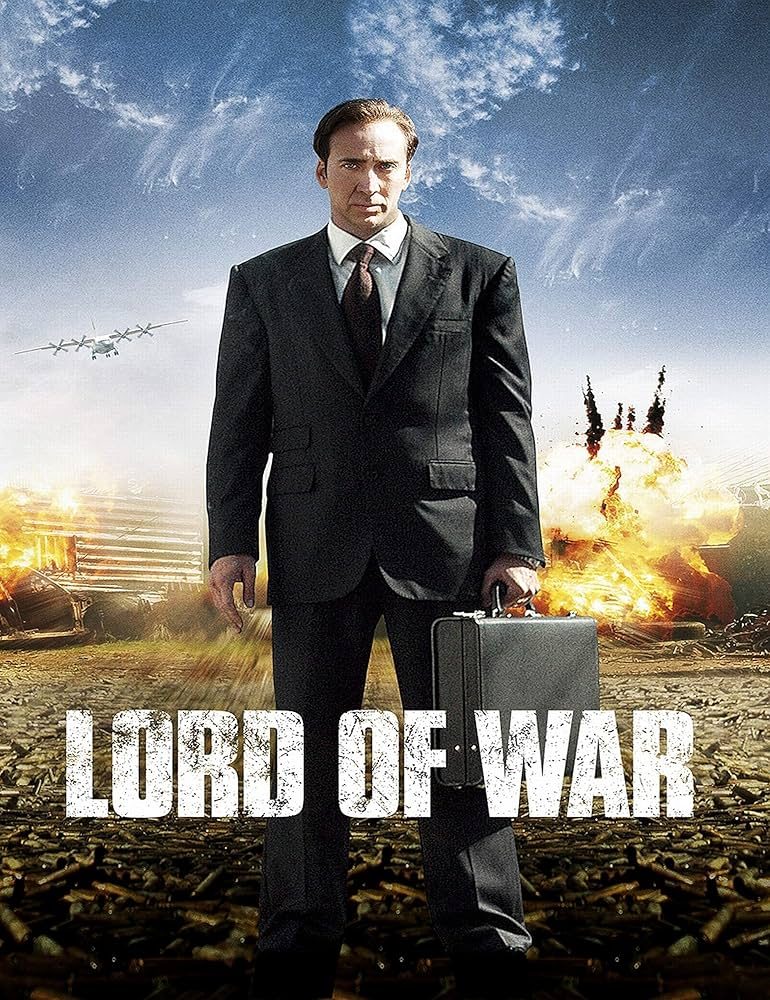
Lord Of War Store Secrets: Inside the Film’s Iconic Armory
When the gun‑fueled saga of Yuri Orlov hit screens, most viewers were blown away by the sheer variety of arms on display. Yet few realize that the dazzling arsenal didn’t emerge from a Hollywood prop house but from a real‑world source known as the Lord Of War Store. This behind‑the‑scenes treasure chest supplied everything from Cold War-era AK‑47s to gleaming Desert Eagle pistols, giving the film an authenticity that still resonates with arms enthusiasts. Understanding how this iconic armory was built reveals not just movie magic but a slice of true‑world weapon trade history.
Inside the Lord Of War Store Armory
The Lord Of War Store began as a modest dealer in the early 1990s, catering to collectors, reenactors, and private security firms. When the producers of the film scouted locations, the store’s inventory stood out for its breadth and provenance. From Soviet-made SVD sniper rifles to U.S. M16s stamped with battlefield wear, each piece carried a story that translated perfectly onto the screen. The store’s catalogues, filled with meticulous details and historic context, allowed the art department to select weapons that matched the film’s global timeline, ensuring that each firearm felt authentic to the era it represented.
The Real Weapons Behind the Scenes
One of the most talked‑about moments in the film is the dramatic showdown involving a fully functional AK‑47. That rifle was a genuine, fully operational weapon sourced directly from the Lord Of War Store’s stock. Safety protocols were strict: the prop master worked closely with the store’s technicians to disarm and modify the guns for on‑set use while preserving their external realism. In addition to the AK‑47, the store provided an array of hand‑guns, such as the classic Colt 1911 and the modern Glock 17, each chosen for its visual impact and historical accuracy.
How the Store Shaped the Film’s Narrative
Beyond providing hardware, the Lord Of War Store influenced key plot points. When the script called for a shipment of arms smuggled through a war‑torn African village, the store’s detailed knowledge of export paperwork and licensing helped writers depict the bureaucracy of illegal trade with unsettling precision. The authenticity of the paperwork shown on screen—a nod to real customs documentation—added a layer of credibility that audiences and critics alike praised. This collaboration turned what could have been a generic arms showcase into a compelling commentary on the global weapons market.
Legacy and Collector Interest Today
Decades after the film’s release, the weapons that once belonged to the Lord Of War Store continue to attract attention. Collectors seek out the exact models featured on screen, often tracing their origins back to the original store’s inventory lists. Auctions frequently list “prop‑grade” rifles from the movie, fetching premium prices thanks to their cinematic provenance. Moreover, the store itself has become a pilgrimage site for film buffs who want to glimpse the shelves that once housed the arsenal, cementing its place in both pop culture and firearms history.
In retrospect, the partnership between the filmmakers and the Lord Of War Store did more than supply props—it forged a bridge between cinematic storytelling and real‑world arms trade. The store’s extensive catalog, seasoned expertise, and willingness to collaborate created an armory that felt both spectacular and genuine. For anyone fascinated by the intersection of film and firearms, the legacy of that iconic armory offers a compelling glimpse into how authenticity can elevate a story from mere entertainment to a lasting cultural artifact.