.png)
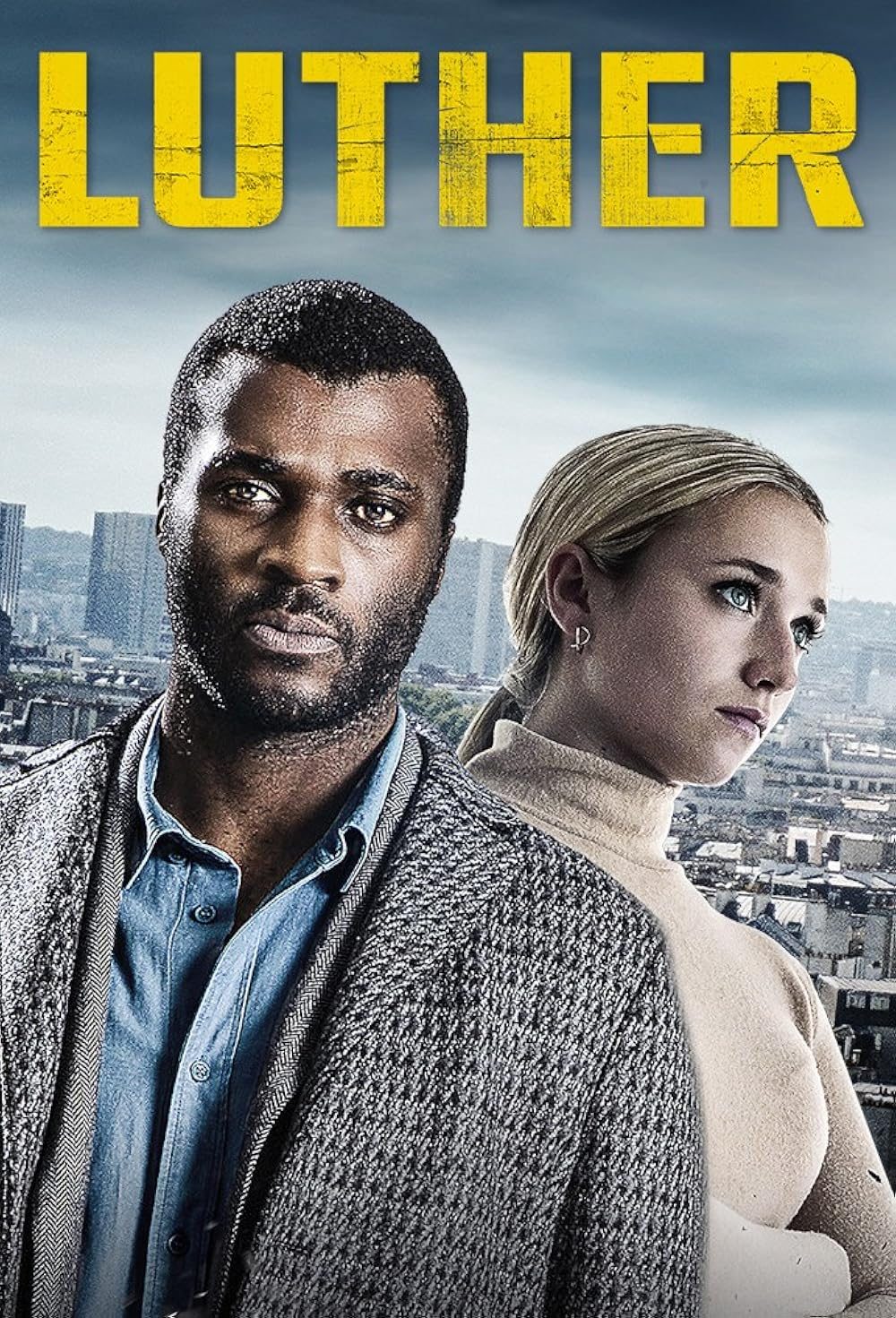
Luther Store Secrets: How the TV Series Redefined Crime Drama
Luther Store burst onto the television landscape with a bold promise: to reshape the crime drama genre forever. From its gritty streets to its morally complex detectives, the series instantly captured viewers’ imagination. By blending psychological suspense with razor‑sharp storytelling, it set new standards for how crime narratives could be told. This blog explores the key innovations that Luther Store introduced, and why they still echo in today’s most popular shows.
Redefining the Protagonist: A Detective with Demons
At the heart of Luther Store is a lead character who refuses to fit the traditional hero mold. Rather than a flawless investigator, the series presents a flawed, deeply human detective battling personal demons while pursuing justice. This duality creates an intense emotional resonance that pulls audiences in, making every case feel like a personal battle. The protagonist’s internal struggles are not side notes; they drive the plot forward, encouraging viewers to question the line between right and wrong.
Unlike many crime dramas that keep the detective’s life compartmentalized, Luther Store weaves his personal turmoil into each investigation. This integration adds layers of tension, as personal stakes often clash with professional duties. These narrative choices have inspired newer series to give their leads richer, more nuanced backstories, proving that vulnerability can be a powerful tool in a genre traditionally dominated by stoic figures.
Complex Villains that Mirror Society
Luther Store’s antagonists are more than just obstacles; they are reflections of societal anxieties. Each villain is meticulously crafted to embody contemporary fears—whether it’s the rise of digital surveillance, the erosion of personal privacy, or the fragility of moral codes in a chaotic world. By grounding criminal motives in real‑world concerns, the series elevates its storytelling from mere entertainment to thoughtful commentary.
This approach has set a precedent for future crime dramas, encouraging creators to develop adversaries with depth and purpose. The audience isn’t just cheering for the hero’s triumph; they’re also confronting uncomfortable truths about the world around them. Such layered villainy makes the show memorable long after the credits roll.
Innovative Narrative Structure and Visual Storytelling
Traditional crime series often rely on a predictable case‑of‑the‑week format. Luther Store breaks this pattern by employing non‑linear timelines, intercut flashbacks, and fragmented perspectives. These techniques keep viewers guessing, as clues are revealed out of order, urging them to piece together the puzzle alongside the detective. The result is a more immersive viewing experience that rewards attentive audiences.
Visually, the series uses stark lighting, muted color palettes, and dynamic camera movements to amplify tension. Each scene feels purposeful, turning even mundane locations into atmospheric set pieces. By marrying narrative complexity with striking visuals, Luther Store demonstrates how style and substance can coexist, influencing a wave of crime dramas that now prioritize cinematic quality.
Lasting Impact on the Crime Drama Landscape
Since its debut, Luther Store has left an indelible mark on the genre. Its focus on flawed heroes, socially resonant villains, and sophisticated storytelling has become a benchmark for quality crime programming. Networks and streaming platforms now seek series that echo these elements, leading to an overall elevation of the genre’s narrative standards.
Moreover, the show’s success has sparked discussions about mental health, ethics, and the human cost of policing—topics that were previously sidelined in mainstream crime shows. This cultural conversation continues to shape audience expectations, pushing creators to explore deeper, more authentic stories.
In conclusion, Luther Store redefined what a crime drama can achieve by daring to blend grit with nuance, suspense with social commentary, and visual flair with intricate character work. Its legacy lives on in the newer series that adopt its bold techniques, proving that when a show pushes boundaries, it not only entertains but also transforms an entire genre.