.png)
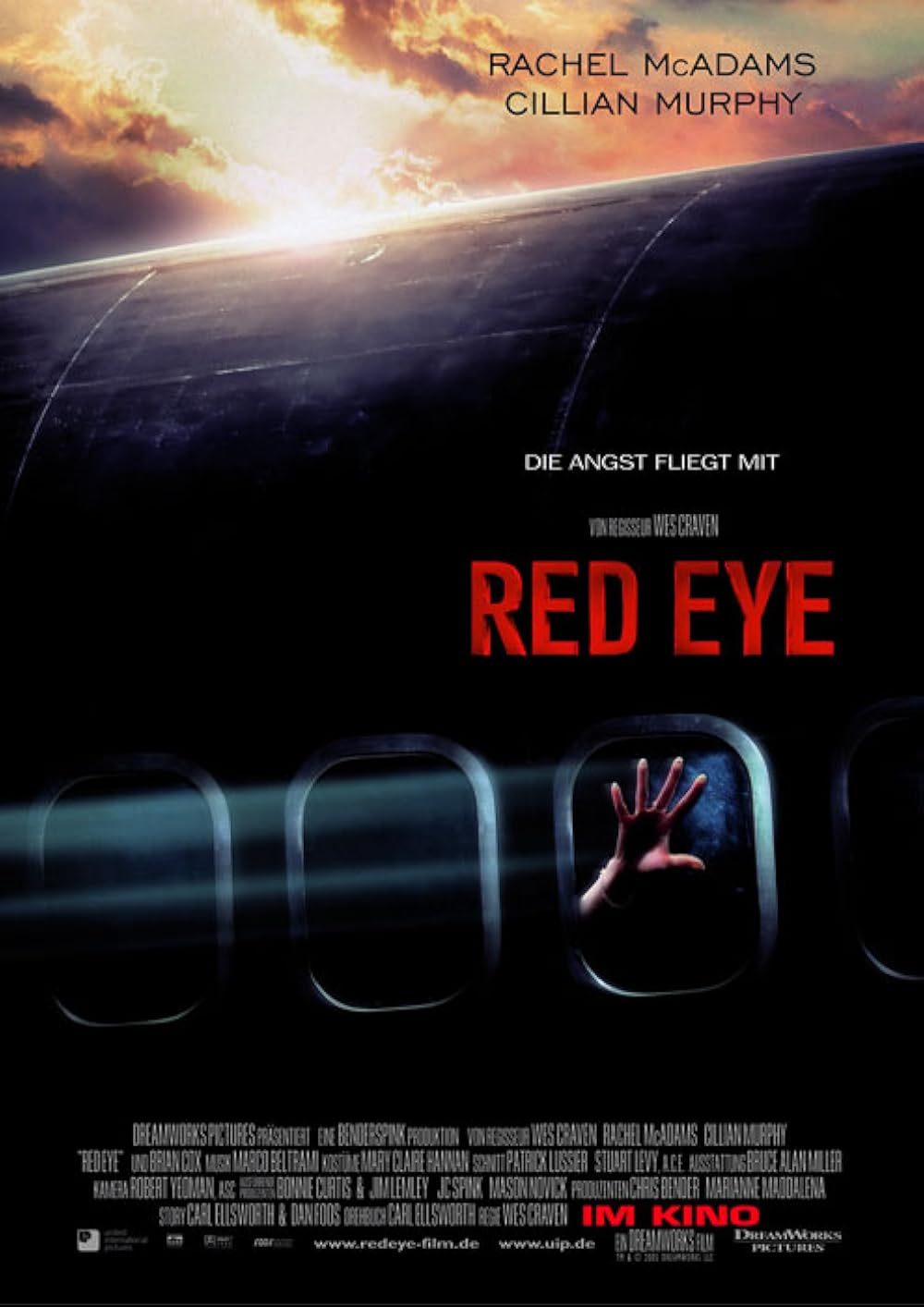
Red Eye Shop Review: Why This Movie Haunts Audiences?
When the lights dim and the opening credits roll, the unsettling atmosphere of Red Eye Shop immediately grips the audience. This low‑budget thriller refuses to let go, lingering in the mind long after the credits have finished. Its clever use of claustrophobic settings, relentless pacing, and psychological twists make it a film that feels more like a lingering nightmare than simple entertainment. In this review we’ll unpack why this movie haunts viewers, explore its key strengths and shortcomings, and explain what sets it apart in the crowded horror‑thriller genre.
Red Eye Shop: A Premise That Pulls You In
The core concept of the film revolves around a mysterious convenience store that opens only during the dead of night, selling more than just snacks and cigarettes. The protagonist, a night‑shift security guard, discovers that each purchase comes with a hidden cost. This simple yet intriguing premise is the engine that drives the suspense, prompting viewers to wonder what will happen next.
What makes the story compelling is its blend of everyday realism with uncanny horror. The setting feels familiar—a neon‑lit shop on a deserted street—yet the bizarre rules that govern it feel otherworldly. By grounding the horror in a recognizable environment, the film amplifies its dread, allowing audiences to imagine the terror creeping into their own night‑time routines.
The pacing is deliberate, with tension building slowly through repeated visits to the shop. Each encounter reveals a new layer of the shop’s secrets, keeping the audience engaged and constantly guessing about the true nature of the threat.
Furthermore, the film’s subtle social commentary—about consumerism and the hidden prices we pay for convenience—adds depth to the narrative. These themes resonate with viewers, making the horror feel both personal and universal.
Atmosphere and Visual Style: Crafting a Haunting Mood
From the opening shots, the cinematography embraces shadows and stark lighting to create a feeling of perpetual unease. The use of handheld cameras during the protagonist’s frantic searches lends a sense of immediacy, as if the viewer is right there in the dimly lit aisles.
Sound design plays an equally critical role. Low, rumbling drones punctuated by sudden, metallic clanks make the silence feel heavy. Even the faint hum of the refrigerator units becomes an auditory reminder of the ever‑present danger lurking within the shop.
The color palette is intentionally muted—cool blues and sickly greens dominate, reinforcing the cold, clinical atmosphere of the night. This visual consistency helps to maintain tension throughout the film, preventing any momentary relief from breaking the spell.
One of the most memorable visual motifs is the recurring image of a flickering neon sign that reads “Open 24/7.” Its erratic glow serves as both a beacon and a warning, symbolizing the perpetual lure of the shop and the relentless cycle of temptation and fear.
Character Development and Performances
The protagonist’s journey is central to the film’s emotional impact. Played with quiet intensity, the security guard’s gradual unraveling is both believable and heartbreaking. As he becomes increasingly obsessed with uncovering the shop’s mysteries, viewers witness a transformation from cautious professional to desperate seeker.
Supporting characters are deliberately sparse, reflecting the isolated world the film inhabits. Each brief encounter—whether a nervous teenage buyer or an enigmatic shop owner—adds clues while deepening the protagonist’s sense of isolation.
What truly elevates the performances is the restraint shown by the cast. They avoid melodrama, opting instead for subtle facial expressions and gestures that convey terror without overt exposition. This subtlety aligns perfectly with the film’s overall tone, allowing the audience’s imagination to fill in the gaps.
Unfortunately, a few secondary characters feel underdeveloped, which can leave some narrative threads dangling. However, this scarcity also contributes to the feeling that the world outside the shop is indifferent and uncaring, reinforcing the protagonist’s loneliness.
Why Red Eye Shop Lingers in the Mind
Beyond its technical merits, the film’s lasting impact stems from its ability to tap into primal fears. The notion of an ordinary place turning hostile triggers a deep-rooted anxiety about the safety of familiar spaces. This fear is amplified by the shop’s seemingly infinite supply of items, each promising a hidden price.
Psychologically, the movie plays with the concept of compulsion—how a simple desire can lead to an endless cycle of pursuit and regret. Viewers find themselves reflecting on their own habits and the unseen costs of convenience, making the horror personal and introspective.
The ambiguous ending further fuels discussion. By leaving key questions unanswered, the film invites viewers to speculate, debate, and even revisit scenes for hidden clues. This open‑ended conclusion ensures the movie remains a topic of conversation long after the viewing experience ends.
In the end, Red Eye Shop succeeds not merely as a thriller but as a haunting study of desire, temptation, and the shadows they cast. Its blend of atmospheric storytelling, strong performances, and thought‑provoking themes ensures it will continue to haunt audiences for years to come.
Overall, Red Eye Shop delivers an unforgettable cinematic experience that lingers in the dark corners of the mind. Whether you’re a fan of psychological horror or simply enjoy a well‑crafted suspense narrative, this film offers a chilling reminder that sometimes the most terrifying monsters are the ones we willingly invite into our lives.